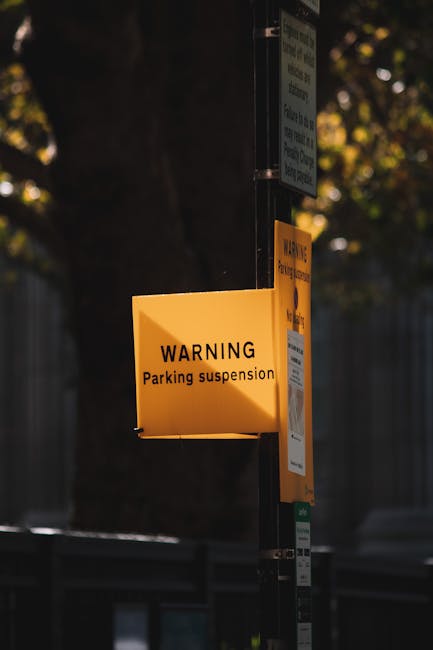
Parking suspensions for removals Kingston Council: a practical guide for a smoother moving day
If you are moving house or office in Kingston, the parking side of the job can be the difference between a calm morning and a stressful one. Parking suspensions for removals Kingston Council are there to help create space for your removal vehicle, protect access, and reduce the chance of fines, double-parking, or last-minute chaos outside your door. In plain English, they can make the whole move feel a lot less frantic. And yes, that matters more than people often realise.
Whether you are arranging a full house move, a flat move with awkward stairs, or a tight same-day clearance, having a clear plan for parking is one of those small details that turns out to be a big deal. In this guide, we'll walk through how parking suspensions work, when they make sense, what to watch out for, and how to fit them into a wider moving plan without overcomplicating things.
Why Parking suspensions for removals Kingston Council Matters
On moving day, the road outside your property is often working harder than anyone else. Removal vans need a clear bay, loading space, or at least a sensible stretch of kerbside where items can be brought out safely. In Kingston, where streets can be busy, narrow, or lined with permit parking, a parking suspension can help create that space in a way that is clearer and more predictable for everyone involved.
The benefit is not only convenience. It also helps reduce friction with neighbours, reduces the risk of your removal team having to carry heavy furniture much farther than planned, and can lower the chance of delay if a vehicle simply cannot stop close enough to the property. Let's face it, a sofa on a tight staircase is already enough of a challenge without adding a three-minute carry from the nearest legal bay.
It can also be important where access is awkward. Think about residents' parking zones, narrow one-way streets, flats above shops, or roads where delivery vans already compete for space before breakfast. In those situations, parking suspensions for removals Kingston Council are part of sensible moving-day planning, not just an optional extra.
Expert summary: if your move depends on kerbside access, plan parking early. A little forethought usually saves far more stress than it costs in time.
How Parking suspensions for removals Kingston Council Works
Although the detail can vary depending on location and timing, the basic idea is straightforward: a section of road or parking area is temporarily restricted so that a vehicle connected with your move can use the space. That might mean no parking for other vehicles during a set period, or a temporary bay suspension where existing parking is paused.
For most homeowners and movers, the practical steps are usually along these lines:
- identify the exact location where the removal van needs to stop;
- check whether the street already has permit bays, pay-and-display parking, or loading restrictions;
- allow enough lead time for the council process;
- provide the date, times, and location details accurately;
- make sure the move team understands any signage or timing conditions.
There is a simple reality here: if the request is vague, the result is usually messy. A suspension tied to the wrong bay, the wrong street name, or the wrong time slot can lead to confusion on the day. That is why it helps to treat it like part of the move itself, not an admin task tucked away at the end.
In practice, the best approach is to build parking arrangements into your moving timeline alongside packing, access checks, and vehicle booking. If you are using professional removal services in Kingston upon Thames, it is worth discussing parking at the same time as the load size, floor level, and access route. Those things all connect.
Key Benefits and Practical Advantages
Parking suspensions are not just about avoiding a ticket, although that is certainly part of the appeal. They help the whole day run more smoothly, especially where local streets are tight or heavily used. Here are the main advantages people tend to notice.
1. Faster loading and unloading
When the van can park right where it needs to, boxes and furniture move more efficiently. That means fewer repeated trips, less carrying, and often less time on site overall. It sounds obvious, but small distance changes can have a big impact when you are moving wardrobes, white goods, or fragile items.
2. Better safety for people and belongings
A van parked too far away can create extra risks: longer carries, more chances to bump walls or railings, and more fatigue for the team. Closer access is usually safer for everybody, including neighbours walking past with prams, bikes, or shopping bags.
3. Less pressure on the moving schedule
If the parking situation is unclear, the schedule can slip almost immediately. A suspension gives more certainty. That matters if you are coordinating handover times, lifts, building access, or a chain of events that really does not want a wobble at 10:30 in the morning.
4. Reduced disruption to neighbours and traffic
Good parking planning can keep the van from blocking driveways, corner sightlines, or shared access routes. A well-managed move tends to be noticed less, which is usually the goal. No one wants to be remembered as the house move that blocked the whole street before coffee.
5. Better fit for specialist or heavy items
If you are moving large furniture, delicate equipment, or awkward items such as a piano, every metre matters. In that situation, a clear loading point can be especially useful. For heavier or more delicate moves, services such as piano removals in Kingston upon Thames and furniture removals in Kingston upon Thames can benefit a lot from close, predictable access.
Who This Is For and When It Makes Sense
Parking suspensions are useful in more situations than people first think. They are not only for large commercial moves or complicated office relocations. In truth, a simple one-bedroom flat move can still need one if the road is busy enough.
This is usually worth considering if you are:
- moving from a terrace or town centre property with limited street space;
- living in a flat with shared access or narrow loading areas;
- moving during peak hours, when parking turnover is unpredictable;
- using a larger removal van that needs a proper stopping point;
- coordinating a time-sensitive move with keys, lifts, or building rules;
- handling fragile, heavy, or high-value items that should not be carried long distances.
It also makes sense for people who simply want to avoid awkward surprises. Maybe the street is usually fine, but there is a bin collection day, school traffic, or an event on nearby roads. Kingston can be lovely and busy at the same time. That is just the way it is.
If you are unsure whether you need a suspension or whether standard loading is enough, it may help to talk through the route and the vehicle size with a local team. A practical mover can often spot the risk before it becomes a problem. If you are comparing moving options, it is sensible to review movers in Kingston upon Thames and broader removal companies in Kingston upon Thames with access planning in mind, not just price.
Step-by-Step Guidance
If you want the parking side of your move to go well, keep it simple and structured. Here is the cleanest way to approach it.
- Check the property access first. Stand outside and look at the actual loading point. Is there room for a van? Are there yellow lines, resident bays, or a narrow pinch point nearby?
- Measure the practical distance. You do not need engineering-level precision. Just work out whether the van can reasonably stop close enough to the door for efficient loading.
- Confirm timing. Decide when you need the space and how long you need it for. Moving tends to run longer than people expect, especially if stairs are involved.
- Speak to the removal team early. Good movers will want to know the access details before the day. If you are using a smaller vehicle, such as a man and van in Kingston upon Thames or man with a van in Kingston upon Thames, the space requirement may be different, but it still needs thinking through.
- Plan for signage and visibility. If parking is suspended, make sure the area is clear and obvious. When signs are visible, everyone has a better chance of complying.
- Build in a buffer. Give yourself some slack around arrival time, property handover, and traffic. One small delay near the beginning can echo all day otherwise.
- Keep communication open on the day. A quick phone call can solve a lot if the van is approaching and something unexpected is blocking access.
For many customers, the hardest part is not the council process itself. It is simply remembering that parking and removals are linked. Once you treat them as one job, things get much easier.
Expert Tips for Better Results
A few small habits can make a surprisingly big difference. These are the details experienced movers tend to notice straight away.
- Start earlier than you think. Parking arrangements can get overlooked until the last minute, and then everyone is suddenly in a rush. Not ideal.
- Keep the location description precise. Use the correct street name, nearest landmark if relevant, and exact bay or frontage if needed.
- Match the vehicle to the site. A large van is not always the best choice if access is tight. Sometimes a smaller van or multiple trips are more efficient.
- Protect the loading route indoors. If the van is close to the property, you still want floor protection, clear hallways, and tidy boxes so the exit path stays safe.
- Check building rules as well as street rules. Flats and office buildings sometimes have their own loading instructions, and those can matter just as much.
- Keep a printed or saved copy of key details. On a busy morning, memory gets fuzzy. Happens to everyone.
One thing we often remind people of: if you have an oddly shaped item, say so early. A piano, a tall wardrobe, or even a heavy corner sofa can change the loading plan in ways that are easy to miss at first glance. That is where proper planning pays off.
If you are moving contents that need packaging support too, look at packing and boxes in Kingston upon Thames alongside your parking plan. The two are more connected than most people expect.
Common Mistakes to Avoid
Most moving-day parking problems come from a handful of predictable mistakes. None are dramatic on their own, but together they can cause a proper headache.
- Leaving the request too late. If you wait until the week of the move, you may find there is not enough time to organise everything properly.
- Assuming a parking space will be free. On a quiet street, maybe. On a busy Kingston road, maybe not. That guess can go wrong very quickly.
- Giving incomplete information. Wrong dates, vague locations, or unclear time windows are a common source of confusion.
- Ignoring neighbours and access issues. If the van blocks someone's driveway or shared entry, you may lose time or create avoidable tension.
- Forgetting the return journey. You need space for unloading as well as loading, especially if the move is happening in stages.
- Not checking the bigger moving plan. Parking, key collection, insurance, and packing all need to line up. If one part slips, the rest can feel it.
One small but important point: if you are relying on a large vehicle, ask whether the access route is actually suitable. Sometimes the issue is not the parking itself but the turning circle or the narrow approach road. Easy to miss. Annoying when missed.
Tools, Resources and Recommendations
You do not need a complex toolkit, but a few practical resources can help you make better decisions before moving day.
- A street photo. A quick picture of the access point is often enough to help a mover judge the layout.
- A simple timeline. List key times: van arrival, lift access, key handover, and estimated loading duration.
- Floor and access notes. Include stair counts, lift size, door width concerns, or shared hallways.
- Property paperwork or instructions. For flats and offices, building rules can be very relevant.
- A contact number that will definitely be answered. This sounds basic, but it saves time when things shift by ten minutes or more.
For budgeting, it helps to review both service scope and pricing structure before you commit. Pages such as services overview and pricing and quotes are useful starting points if you want to compare what is included and how different move types are handled.
It is also worth checking practical policies that reflect how the company works on the ground. Insurance and safety, health and safety policy, and terms and conditions can all give you a clearer sense of expectations before the first box is lifted.
Law, Compliance, Standards, or Best Practice
Parking suspensions sit within the wider UK framework for road use, traffic management, and local authority control. The exact process is council-specific, so the safest approach is to treat Kingston Council guidance as the authority for that area rather than assuming one borough works like another.
From a best-practice point of view, the most important things are accuracy, timing, and visibility. If you are asking for a road space to be reserved or restricted, the request should be clear enough that it can be understood without guesswork. That means correct address details, relevant dates, practical duration, and a sensible reason for the suspension.
It is also good practice to make sure your move plan does not create unnecessary hazard. Heavy lifting close to traffic, blocked access routes, or poor communication with the removal team can all increase risk. A professional mover should be thinking about this anyway, but it helps when the customer is involved in the planning too.
For businesses, landlords, and office managers, the same principle applies. Even when the space is temporary, the duty to plan safely does not disappear. In a lot of cases, keeping the loading zone sensible is simply common sense dressed up in paperwork. Fair enough, really.
Options, Methods, or Comparison Table
Different moves need different parking solutions. A suspension is one option, but not always the only one. Here is a simple comparison to help you decide what feels most practical.
| Option | Best for | Pros | Things to watch |
|---|---|---|---|
| Parking suspension | Busy roads, tight access, scheduled moves | Clear loading space, less uncertainty, reduced disruption | Needs planning and accurate details |
| Standard legal parking | Quiet streets or flexible timing | Simple, low admin | Space may disappear quickly |
| Smaller vehicle | Narrow roads or limited access | Easier to position, often more flexible | May require more trips |
| Timed loading plan only | Very short or low-volume moves | Lightweight approach, minimal complexity | Risky if the street is busy |
If you are not sure which option fits, the deciding factor is usually access, not just distance. A short move can still be awkward if the van cannot stop near the door.
Case Study or Real-World Example
Imagine a family moving from a first-floor flat near a busy Kingston street on a Friday morning. The property itself is straightforward enough, but outside there are resident bays, regular traffic, and a delivery van already taking up the best space when the team arrives. Without a plan, the movers would have to circle, wait, or park farther away and carry items down a longer route.
Instead, the access details were checked in advance. The family confirmed the loading point, the van was matched to the street, and the parking arrangement was discussed before moving day. The result was not glamorous, but it was calm. Boxes moved out steadily, the sofa fit through the doorway without a scramble, and the whole job felt controlled rather than improvised.
Nothing magical happened. That is the point. Good parking planning usually looks boring from the outside, and boring is often exactly what you want on moving day.
For that kind of move, pairing parking planning with the right vehicle choice matters. A smaller removal van in Kingston upon Thames can sometimes be more practical than a larger truck, especially where street layout is tight and every metre counts.
Practical Checklist
Use this quick checklist before moving day. It is simple, but it catches a lot of avoidable problems.
- Have I checked whether the property needs a suspension, loading bay, or just standard access?
- Do I know the exact street location and time window?
- Have I shared access details with the removal team?
- Is the vehicle size suitable for the road and the property?
- Have I reviewed any building rules or resident parking restrictions?
- Do I know where fragile or heavy items will be loaded from?
- Have I built in some time buffer for delays?
- Do I have a reliable phone number ready for the day?
- Are packing, insurance, and payment details sorted?
- Have I confirmed what happens if the parking area is occupied?
If the answer to most of those is yes, you are in much better shape than most people realise.
Get a free quote today and see how much you can save.
Conclusion
Parking suspensions for removals Kingston Council are one of those practical moving-day tools that can quietly save time, effort, and stress. They are not always essential, but when access is tight or the street is busy, they can make a move much more manageable. More importantly, they help the entire process feel organised rather than rushed.
The main takeaway is simple: do not leave parking as an afterthought. Check access early, coordinate with your removals team, and make sure the parking plan fits the size and style of your move. That is where the real value sits. A little preparation here can make everything else feel lighter.
If you are planning a move in Kingston and want support that feels practical rather than pushy, start with the access details, then build the rest around them. Sounds basic, but it works. And on moving day, that quiet bit of certainty is worth a lot.
Frequently Asked Questions
What are parking suspensions for removals Kingston Council used for?
They are used to reserve or restrict a section of road so a removal vehicle can park close to the property. That helps loading and unloading happen more safely and efficiently.
Do I always need a parking suspension for a house move in Kingston?
No, not always. If your street has enough legal parking and the van can stop close enough to the property, you may not need one. It depends on access, timing, and vehicle size.
How far in advance should I think about parking arrangements?
As early as possible. The earlier you deal with parking, the easier it is to match the space, the vehicle, and the moving schedule without last-minute stress.
Is a parking suspension the same as a loading bay?
Not exactly. A loading bay is a designated space for loading activity, while a suspension temporarily changes how a parking area can be used. The practical effect may feel similar, but the rules are not the same.
What happens if someone parks in the space anyway?
That can cause delays, especially if the removal vehicle cannot stop near the property. In that situation, the team may need to adjust the load plan or wait for the area to clear.
Can parking suspensions help with flat moves?
Yes, very much so. Flat moves often involve stairs, shared entrances, and limited street access, so a clear place for the van can make the job much smoother.
Are parking suspensions useful for office removals too?
Absolutely. Office moves often involve more equipment, more coordination, and tighter timing, so reliable vehicle access can be a real advantage.
What details should I have ready before arranging parking?
Have the full address, preferred date, access notes, expected time window, and a clear idea of where the van needs to stop. It also helps to know whether you are moving a small load or a full property.
Can a smaller vehicle avoid the need for parking arrangements?
Sometimes, yes. Smaller vehicles are easier to position, but they still need legal space. A compact vehicle is helpful, not magical.
How do I know if my street is too tight for a standard van?
If the road has narrow turning space, heavy resident parking, or limited kerbside room, it may be too tight. A quick assessment by an experienced mover is usually the safest way to judge it.
Is it better to choose parking help or a different type of removal vehicle?
It depends on the street and the move. If the access is difficult but predictable, a parking arrangement can be ideal. If the road is very narrow, a different vehicle size may be smarter.
Where can I compare moving services and pricing before booking?
You can review removal services in Kingston upon Thames and pricing and quotes to get a clearer picture of what fits your move and budget.
What if I also need help with packing or specialist items?
That is worth planning at the same time as parking. Services such as packing and boxes and piano removals are easier to coordinate when access is already thought through.
Are parking suspensions always the cheapest option?
Not necessarily. But they can reduce hidden costs caused by delays, extra carrying distance, or moving the vehicle multiple times. Sometimes the cheaper-looking option ends up being the expensive one.
If you are planning a move and want a team that understands access, timing, and the little details that matter, explore the full services overview or learn more about us. A good move is often built on small decisions done well, and that's a comforting thing, really.