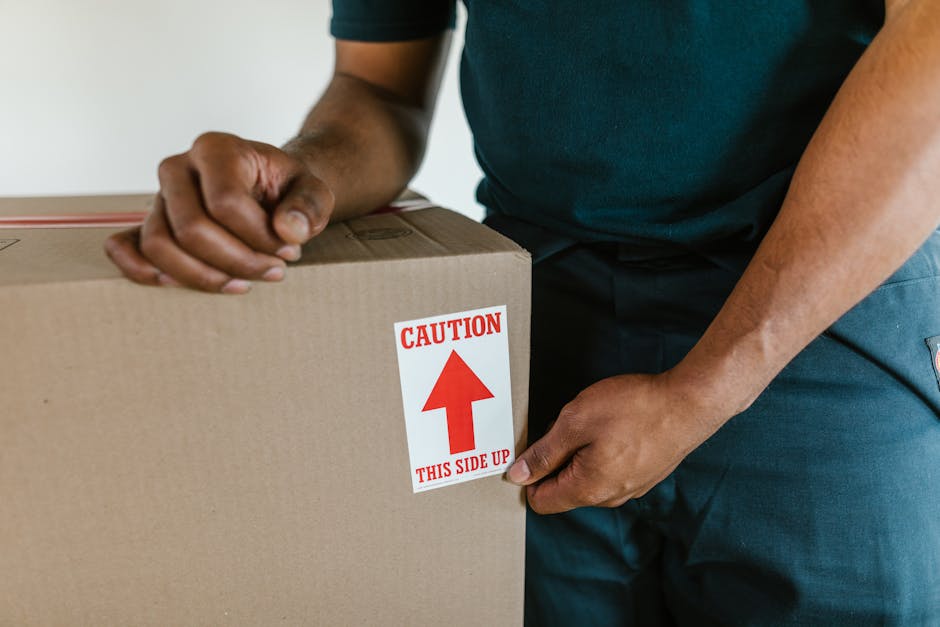
Furniture removals Canbury Gardens pickup and delivery guide
Posted on 25/06/2026
If you are planning a furniture move in Canbury Gardens, the difference between a calm day and a stressful one usually comes down to planning. A well-run Furniture removals Canbury Gardens pickup and delivery guide helps you understand how access works, what to prepare before the van arrives, and how to protect larger items from damage on the way out and back in again. That matters whether you are moving a sofa across Kingston, collecting a bed frame from storage, or arranging delivery after buying second-hand furniture online.
In practice, a smooth furniture removal is rarely about brute strength. It is about timing, layout, packing, route planning, and knowing which pieces need extra care. This guide breaks the process down in plain English, with local-minded advice you can actually use. If you want a broader look at the company's wider support options, you can also review the full range of removal services in Kingston upon Thames or the broader services overview.
Let's face it, furniture always seems to become heavier the moment it reaches a staircase. So the more prepared you are, the easier the day feels.
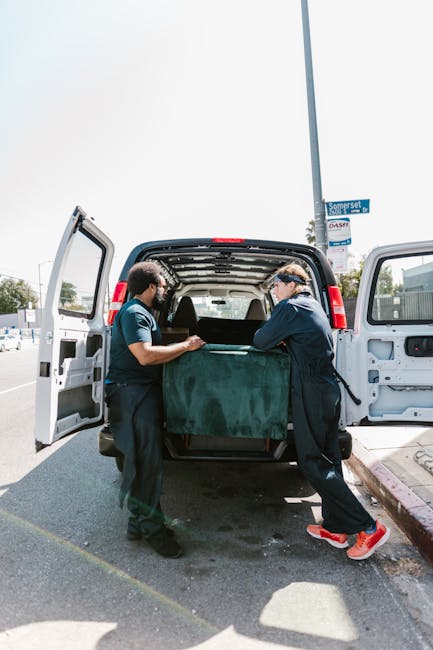
Why Furniture removals Canbury Gardens pickup and delivery guide Matters
Furniture removal sounds simple until you are standing in a hallway with a wardrobe that is two inches too wide for the turn. That is why a specific pickup and delivery guide is useful. It gives you a framework for thinking through the move before anyone lifts a thing. For Canbury Gardens in particular, the practical issues are often the same as in many well-established residential streets: limited parking, narrow access points, awkward front steps, and the need to keep neighbours, pedestrians, and building rules in mind.
A clear plan matters because furniture is vulnerable at every stage. A chip can happen while carrying a table through a doorway. A scratch can happen if soft furnishings rub against an unwrapped side panel. A delay can happen if the van cannot stop close enough to the property. Those are small problems individually. Put them together and the job becomes messy fast.
It also matters because furniture removals are not just about transport. They are about making sure the item arrives in the same condition it left, and that the move fits your schedule. If you have bought a dining set on a tight deadline, or you are handing back a rental and need the space cleared, timing becomes everything. A good guide keeps the job organised rather than improvised.
Expert summary: the best furniture removals in Canbury Gardens usually come down to three things: access, protection, and timing. Get those right and the rest feels much easier.
How Furniture removals Canbury Gardens pickup and delivery guide Works
The process normally starts with a short assessment of what needs moving. That can be done from photos, a written list, or a quick phone discussion. The important part is being honest about the size, weight, shape, and condition of each item. A solid wood sideboard, for example, is very different from a flat-pack desk or a small bedroom chair.
Once the items are understood, the next step is to plan the route from pickup point to delivery point. This is where a lot of problems get avoided before they begin. Canbury Gardens moves may need attention to parking, building entry, lift access, stairwells, and whether a second person is needed for larger pieces. In many cases, a service such as a man and van in Kingston upon Thames is the most flexible option for smaller loads, while larger or fragile jobs may benefit from a more dedicated furniture team.
On the day, the movers usually protect the items first, then move them in a controlled sequence. That means dismantling where necessary, wrapping delicate surfaces, loading the heaviest pieces safely, and unloading in the reverse order. It sounds straightforward, and usually it is. Still, the devil is in the details. One badly measured chest of drawers can slow the whole run if the team has to rethink the route through a flat or townhouse.
Delivery works in the same way, only in reverse. The receiving property should be ready, floors protected if needed, and the final position for each item clear. That way the team can place things correctly rather than setting them down and guessing. Nobody wants a sofa in the wrong room. Nobody.
Key Benefits and Practical Advantages
A well-managed furniture removal service gives you more than convenience. It gives you certainty. That is a bigger deal than people often realise, especially when you are juggling work, keys, children, storage deadlines, or a rental checkout.
- Less physical strain: heavy lifting is handled with the right technique and equipment.
- Lower damage risk: wrapping, securing, and careful loading reduce the chance of scratches or breaks.
- Better time control: a planned pickup and delivery window keeps the day moving.
- Cleaner handover: ideal when clearing a property or setting up a new one.
- More flexibility: useful for one-off items, partial moves, and short-notice delivery needs.
There is also a subtle but real benefit: mental space. Once the furniture is scheduled, you stop carrying it around in your head. That sounds small, but on moving day, small things count.
For people who need a dependable transport-only solution, it can be worth comparing the general removal van option with more comprehensive support for heavier or awkward items. If the load includes something unusually delicate, such as a piano, the specialist piano removals service is a better fit than a standard furniture move.
Who This Is For and When It Makes Sense
This guide is for anyone who needs furniture moved safely, but the use cases are broader than they first appear. It is not just for full house moves.
- People buying or selling furniture privately
- Tenants moving items in and out of a rental property
- Homeowners replacing large pieces room by room
- Students moving between flats with a few key items
- Offices relocating desks, chairs, filing units, or reception furniture
- Anyone using storage and needing collection or redelivery
It makes sense whenever the item is too large for a car, too awkward for one person, or too important to risk damaging in a rushed DIY attempt. Truth be told, a lot of people only look for a removal service after trying to move a wardrobe themselves. That is usually the moment they realise a second set of hands would have been cheaper than a sore back.
If you are arranging a smaller move in a flat or studio, the flat removals support may be especially relevant. For short-notice jobs, same-day options can also help, provided the access and load are realistic. For that, see same-day removals in Kingston upon Thames.
Step-by-Step Guidance
If you want the pickup and delivery day to run well, a simple structure helps. Here is a practical sequence that works for most furniture removals in and around Canbury Gardens.
1. List every item clearly
Write down the furniture pieces, dimensions if you have them, and whether any item is fragile, heavy, or dismantled. It is much easier to plan around a good list than around "a couple of bits and bobs".
2. Check access at both addresses
Look at staircases, hallways, communal entrances, lifts, parking, and any tight turns. Even a short path from van to front door can change the work involved. If access is awkward, mention it early.
3. Decide what needs dismantling
Bed frames, some wardrobes, large tables, and modular shelving often move better in sections. Keep fixings in labelled bags and tape them to the matching item. It saves a lot of faffing later.
4. Protect surfaces before loading
Wrap wood, glass, gloss finishes, and upholstered pieces. Blankets, covers, and cardboard corner guards can help with this. If you already have packing materials, you may want to look at packing and boxes support so everything is ready before the team arrives.
5. Prepare the pickup point
Clear the route, move smaller items out of the way, and keep children or pets away from the loading area. A tidy path really does shave time off the job.
6. Confirm delivery instructions
Tell the team exactly where each item should go. If a sofa needs to face a certain wall or a wardrobe has to fit a specific alcove, say so before unloading begins.
7. Inspect items at delivery
Once everything is placed, check for damage or missing parts while the movers are still there. That is the best time to spot anything unusual, not three hours later when everyone has gone home and you are staring at a scratch wondering where it came from.
Expert Tips for Better Results
Small decisions make a big difference on furniture removal day. After enough local moves, a pattern starts to emerge.
- Photograph the item before collection. This helps with condition checks and makes it easier to remember how it was assembled.
- Measure doors, lifts, and stair landings. Not just the furniture itself. The route matters just as much.
- Use labels for loose parts. "Bed bolts" is vague. "Double bed headboard bolts" is better.
- Group items by fragility. Glass and mirrors need a different load position from chunky pine furniture.
- Keep one communication point. Too many messages, too many people, and the plan starts to wobble.
One thing people often overlook is floor protection. If the pickup or delivery point has timber floors, polished tiles, or newly laid coverings, mention that early. A mover can protect a surface only if they know it needs protecting. Fairly obvious, but easy to forget when you are busy.
If you are comparing providers, it can help to look at the wider movers in Kingston upon Thames offering alongside the more specific furniture service. That gives you a clearer sense of what level of support each job actually needs. For general background, the company's about us page is also useful for understanding who is behind the service.
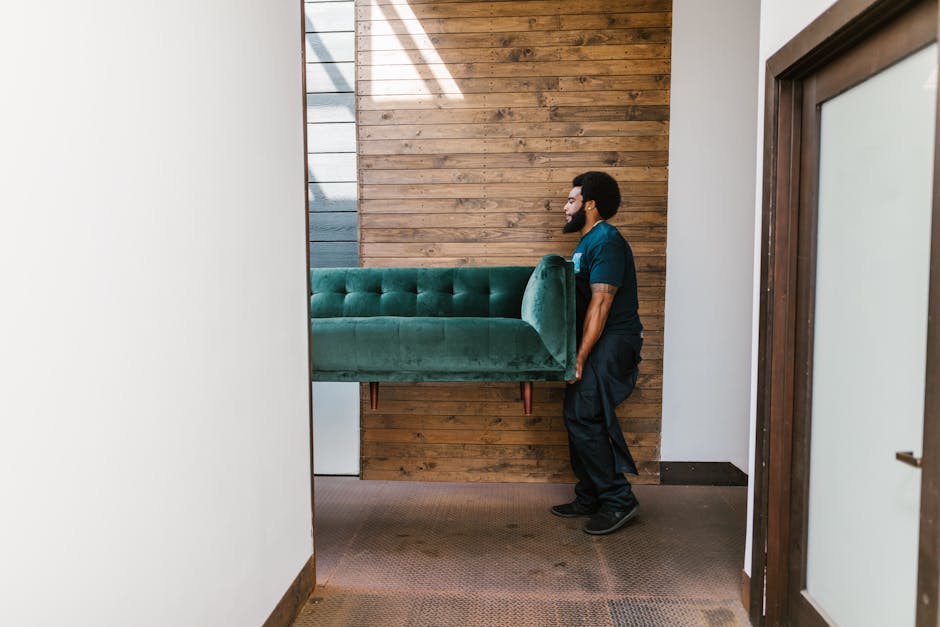
Common Mistakes to Avoid
Most furniture removal problems are preventable. The awkward part is that people often only notice the mistake once the van is already outside.
- Underestimating size and weight: what looks manageable can be awkward once it leaves the room.
- Forgetting access constraints: a van may park nearby, but not quite close enough to make loading easy.
- Leaving dismantling too late: last-minute screw removal with no labels is a recipe for confusion.
- Not separating fragile items: soft items and hard items should not be loaded randomly together.
- Skipping delivery instructions: if the team does not know where things go, the unloading becomes slower.
Another common one is assuming every removal job is the same. It is not. A single antique dresser needs more care than six lightweight chairs. A delivery into a third-floor flat is not the same as a ground-floor collection. Small difference, big impact.
And yes, someone always says, "it'll fit if we tilt it." Sometimes that works. Sometimes it absolutely does not.
Tools, Resources and Recommendations
You do not need a warehouse full of kit, but a few practical tools can make the whole process smoother.
- Measuring tape: for furniture dimensions, door widths, and access points.
- Labels and marker pens: for bolts, shelves, and dismantled components.
- Protective blankets or covers: to prevent surface damage.
- Bubble wrap or paper wrap: useful for corners, handles, and delicate details.
- Strong tape and bags: for screws, brackets, and small fittings.
- Phone camera: to record the condition of each item before moving.
If you need help judging what level of service suits the job, the furniture removals service is the most directly relevant place to start. If your move involves broader planning or multiple rooms, the home removals service may be the better match. For business premises, office removals is usually the right comparison point.
If you are still weighing up price, it is sensible to review pricing and quotes before booking. Clear quote details help avoid surprises later, especially when access or heavy lifting is involved.
Law, Compliance, Standards, or Best Practice
Furniture removals in the UK are usually straightforward, but they still sit within a few important best-practice expectations. The first is safety. Anyone handling heavy or awkward furniture should use sensible lifting methods, appropriate team sizes, and equipment where needed. That is basic good practice, not drama.
Another consideration is property access and parking. In residential areas, especially where streets are busy or space is tight, it is wise to plan loading so that it is efficient and does not create unnecessary obstruction. If a building has communal rules, lift booking requirements, or management instructions, those need to be respected as well.
Insurance is also worth understanding. A professional removal service should be able to explain how goods are handled and what level of cover is available or included. You do not need the fine print tattooed on your arm, but you do need confidence that the basics are in place. If safety and handling are on your mind, it makes sense to check the company's insurance and safety information and its health and safety policy.
For peace of mind around customer care and payment handling, the company's payment and security page and terms and conditions can be useful reading. It is not the exciting part of moving day, granted, but it matters.
Options, Methods, or Comparison Table
Not every furniture move needs the same setup. Here is a simple comparison to help you decide what suits your situation.
| Option | Best for | Strengths | Watch-outs |
|---|---|---|---|
| Man and van | Small to medium furniture loads, single-item collections, local deliveries | Flexible, efficient, often ideal for short local journeys | May be less suitable for very large, heavy, or complex items |
| Dedicated furniture removal | Heavier items, multiple pieces, fragile furniture, tighter access | More support, better protection, more controlled handling | Needs clearer planning and accurate item details |
| Full home removal | Furniture plus boxes, household goods, larger relocation | Comprehensive, convenient, good for whole-property moves | Can be more than you need for a small pickup or delivery |
| Same-day move | Urgent collections or time-sensitive deliveries | Fast response, helpful for last-minute arrangements | Availability and access need to line up cleanly |
In many Canbury Gardens situations, the practical choice is between a focused furniture move and a smaller local transport job. If you only need a few pieces moved, the man with a van service can be a sensible middle ground. If the job is larger or more sensitive, a more structured removal service may save time and stress overall.
Case Study or Real-World Example
Imagine a typical local move: a family in Canbury Gardens needs a sofa collected from storage, a dining table delivered from a seller nearby, and a chest of drawers moved upstairs in the new home. Nothing dramatic. Just enough complexity to make the day annoying if it is not organised.
The job goes best when the moving team is told in advance that the sofa has removable legs, the table top is separate from the base, and the chest of drawers has a narrow landing turn on the first floor. Because those details are shared early, the team brings the right protective materials, plans the sequence properly, and avoids dragging heavy pieces through tight spaces more than once.
At delivery, the items are placed in the correct rooms first, then adjusted into position. A small detail, maybe, but it saves the customer a second round of moving. The family does not have to reshuffle the house at 7pm with takeaway containers on the kitchen counter. A tiny win. Still counts.
That is really the point of a strong furniture removals guide: fewer assumptions, fewer surprises, smoother handover. And a calmer evening.
Practical Checklist
Use this checklist before the pickup and again before delivery. It keeps the day grounded.
- Confirmed the exact items to be moved
- Measured large furniture and access points
- Checked stairways, lifts, and parking access
- Decided what needs dismantling
- Labelled bolts, screws, and fittings
- Protected delicate surfaces and corners
- Cleared the route at pickup and delivery
- Shared room-by-room placement instructions
- Checked insurance and safety information
- Reviewed pricing, timing, and any special instructions
- Prepared for possible delays or parking restrictions
- Inspected items once they are delivered
If you can tick most of those boxes, you are already ahead of the game. Honestly, that is half the battle.
Conclusion
A good Furniture removals Canbury Gardens pickup and delivery guide is really a planning tool disguised as a moving article. It helps you think through access, handling, protection, timing, and delivery placement before the van turns up. That makes the whole process quicker, safer, and much less stressful.
Whether you are collecting a single chair, delivering a family dining set, or arranging a more involved local move, the key is the same: know what is being moved, make the route easy, and communicate clearly. Do that, and the day tends to feel a lot less like a scramble.
For a local move that feels properly organised from the start, it is worth exploring the relevant service pages, checking what kind of support suits your load, and confirming the practical details early. A little structure goes a long way.
Get a free quote today and see how much you can save.
Sometimes the smoothest move is simply the one that was thought through well the night before. That bit matters more than people think.